Two Big Improvements To A Strategy Deployment Definition
An updated definition of strategy deployment, incorporating the ideas of context and propositions rather than problems and solutions.

Karl Scotland – Using Agility Strategically
Karl Scotland – Using Agility Strategically
Karl Scotland – Using Agility Strategically
Browsing Tag

An updated definition of strategy deployment, incorporating the ideas of context and propositions rather than problems and solutions.

Ebb and Flow is what avoids Strategy Deployment and the X-Matrix becoming a dictate and enables it to be part of an emergent and fluid process.

Strategy Safari describes 10 strategy schools and raises a number of related issues. Strategy Deployment can be considered regarding those schools and issues.

The phrase “outcome-oriented, continuous transformation, everywhere” describes my approach to Agile Transformation. This post explains what I mean by that.

The Order of the X-Matrix is how I populate one in practice. It is different to the order I use to describe it. This different order brings several benefits.
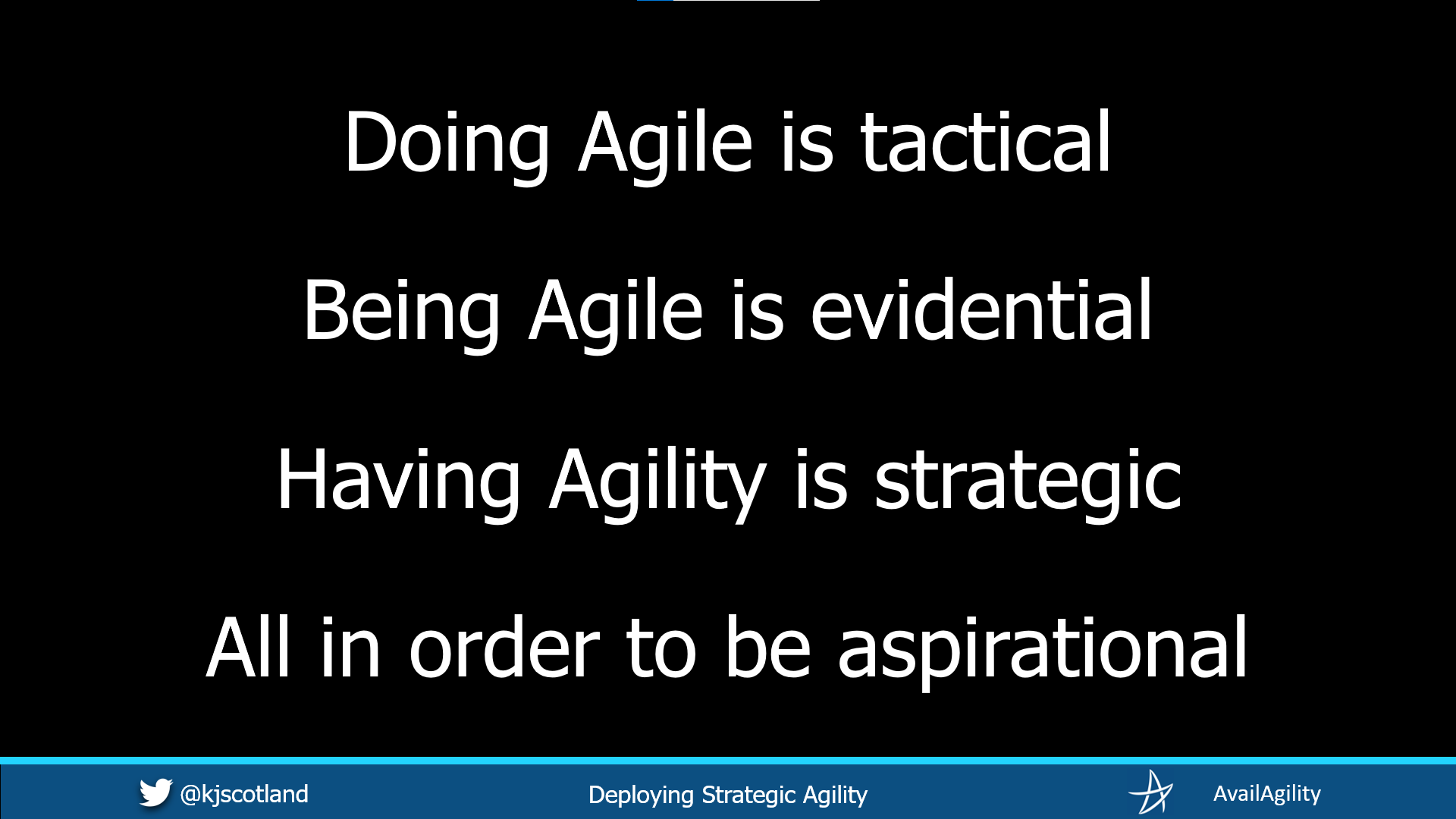
Strategic Agility brings with it the idea of Agile Pluralism. Agile can be defined in many ways and take many forms – strategic, evidential and tactical.
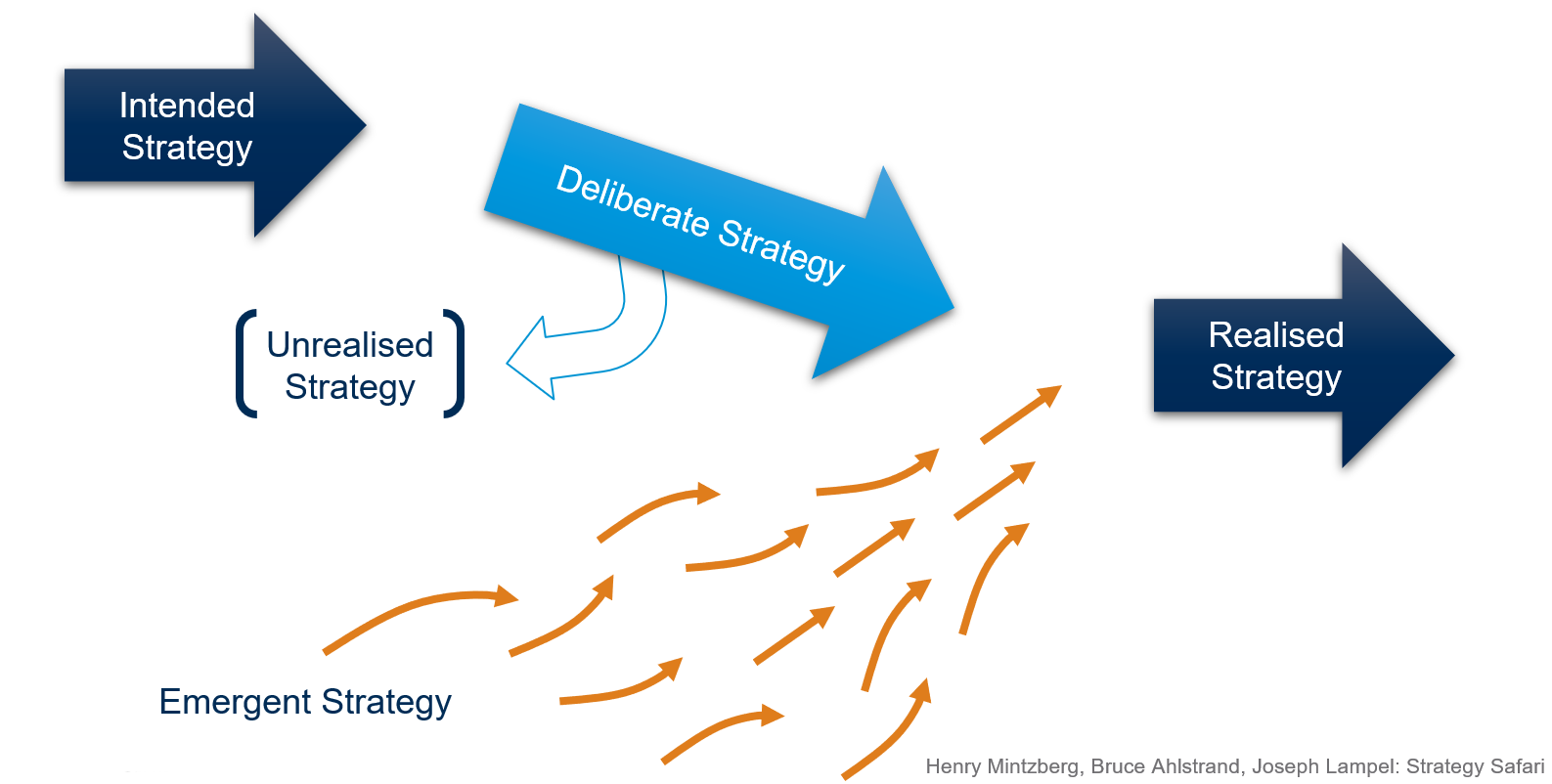
The book Strategy Safari describes a number of Schools. The Configuration School highlights a paper which describes six potential Strategy Deployment steps.

X-Matrix communication can be difficult due to the complexity of information. Focus on using it for collaboration and simplify communication with added context.

A review of how the concept of “increasing decision-making capacity” can be useful for Strategy Deployment to enable effective organizational improvement.
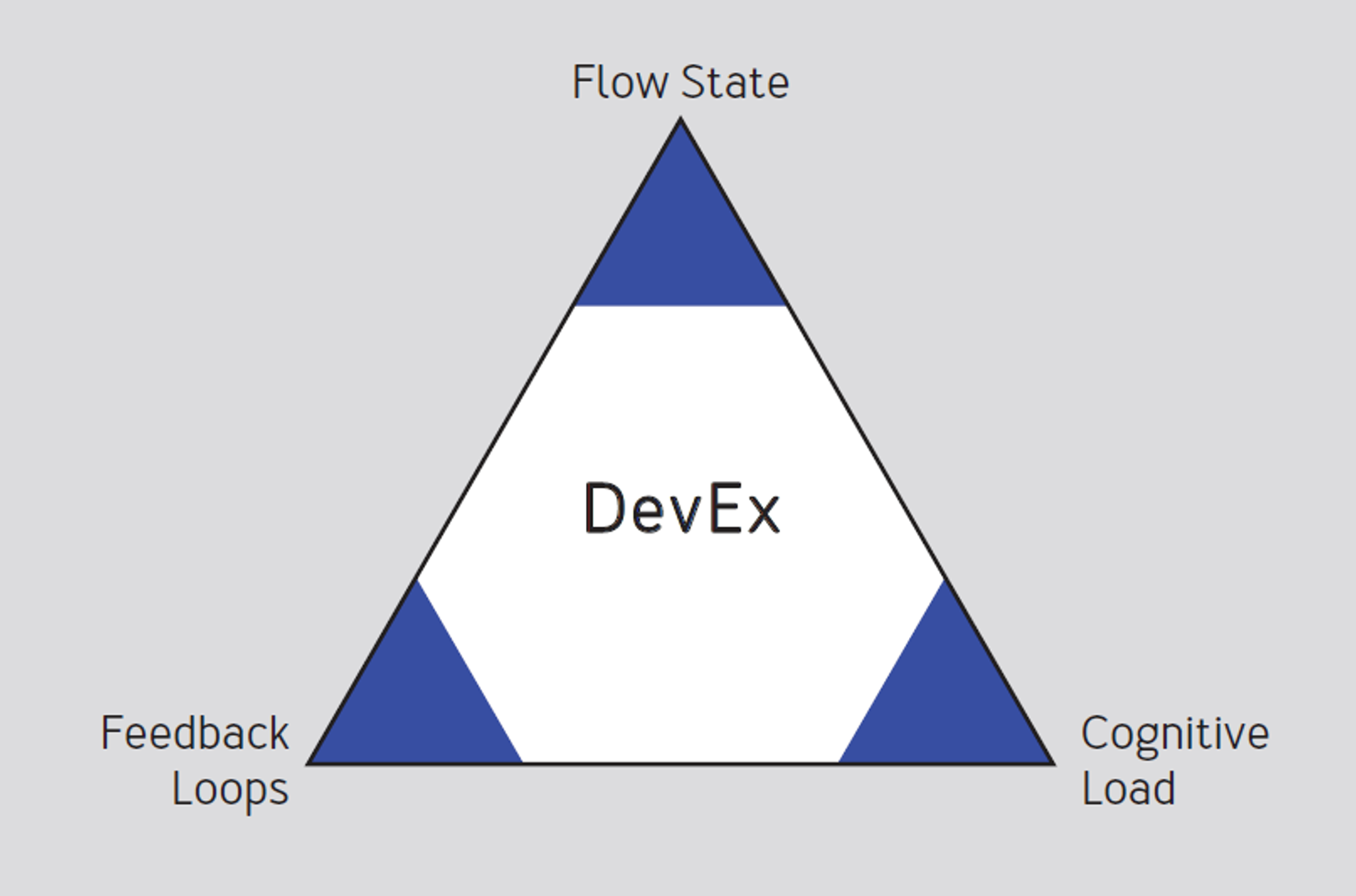
Developer Experience is the perception of developers’ work, with three dimensions. The dimensions can be a useful lens for Strategy Deployment with Agile.